Intake systems
Forms that collect the right details and route requests cleanly.
Optimism builds practical internal tools for owner-led businesses: intake forms, trackers, dashboards, handoffs, reports, and AI-assisted steps that fit the way the business actually runs.
Start with one messy workflow. Leave with clearer scope, a build path, and a safer answer for where AI belongs.
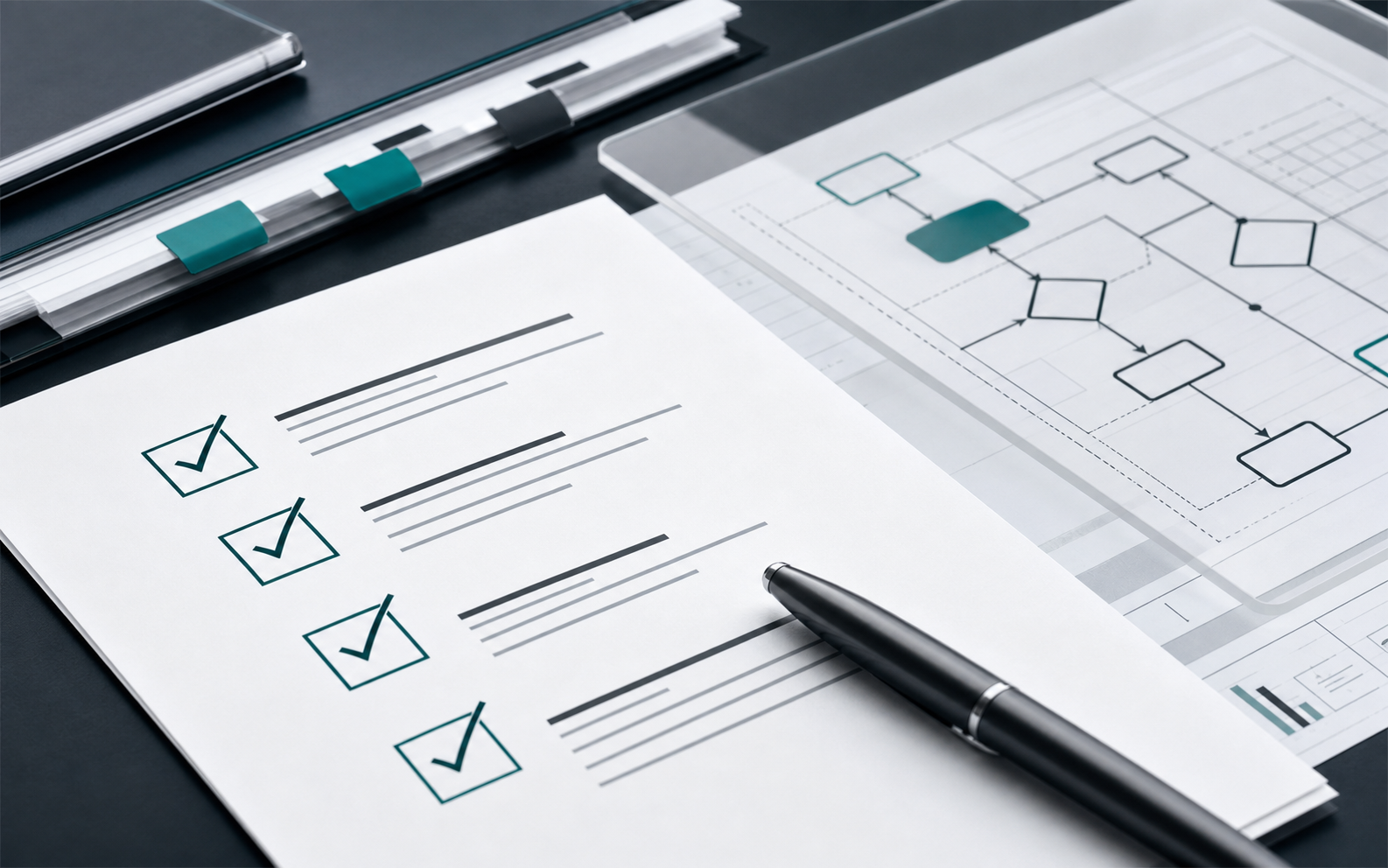
Start with one repeated business workflow and turn it into a simple working system your team can actually use.
Forms that collect the right details and route requests cleanly.
Request, estimate, approval, and follow-up tracking in one place.
Owner-friendly views for customers, jobs, status, tasks, and next action.
Cleaner transitions between inbox, calendar, team, and customer updates.
Drafts, summaries, templates, and approval steps with human review.
A practical customer record without forcing the business into heavy software.
The goal is not an AI experiment. The goal is a useful system with clear scope, known tools, practical handoffs, and enough control to trust the result.
Can the business name one repeated process, owner, and output?
What already runs the business: Gmail, sheets, calendars, forms, apps, or paper?
Where do requests, status, documents, approvals, or follow-ups get lost?
What inputs are reliable, sensitive, missing, duplicated, or hard to find?
Where can AI draft, summarize, classify, or prepare work without taking over?
Can the first version be built, tested, and handed off without sprawl?
Pricing stays tied to scope. The intake tells us whether the work is ready for a build sprint or needs a smaller blueprint first.
Main offer
Starts at $5,000
Map one workflow, build the working tool, connect the needed inputs, and hand off the system.
Smaller first step
Starts at $1,500
Use when the workflow is real but the scope, tools, or build path needs to be clarified first.
Fit rule
We start with one owner, one repeated workflow, one visible bottleneck, and one useful first version.
AI can help, but the system still needs a human owner, useful data, clear approval, and a recovery path when the work does not fit.
Productivity
The practical question is where it belongs in the workflow: drafting, summarizing, classifying, preparing, or checking work.
Quality
A good build defines what the system may do, what it must not do, and when a person approves the next business action.
Ownership
The output should be clear enough for the owner, staff, and future support partner to understand after the sprint is done.
Human-First AI-Assisted Systems Design means the workflow leads and AI supports. The first version must be usable before it is clever.
Name the workflow, owner, inputs, tools, handoffs, approval points, and first useful result.
Create the working tool, connect the needed systems, and add AI only where it improves the workflow.
Document the system, train the owner or operator, fix launch issues, and decide what to improve next.